
If you googled "Hampton review" and landed here, quick orientation first.
Hampton is a private, vetted community for founders and CEOs, started by Sam Parr (founder of The Hustle, host of My First Million) and Joe Speiser. To get in you need to run a successful business, pass an interview, and go through a vetting process. Once in, you're placed into a Core group of about eight founders that meets monthly with a trained moderator. Around that sits a Slack community of 1,000+ vetted CEOs, one in a lifetime events, and top tier retreats. Membership runs $15K+ a year.
That's the quick overview, and below is a rundown of my own experience, including the part most reviews are too shy to talk about: what Hampton is like, when your city doesn't have an IRL chapter.
Why I joined
I joined Hampton in early 2024, nine years into building my company, EltexSoft. The timing wasn't random – the SVB collapse had rippled through our client base for a year+, startups froze their engineering budgets, projects got cut, and for the first time in a very long while I was staring at a real downturn, with nobody to talk to about it. It couldn't be my team, who needed me confident; or the clients, obviously.
What I wanted was a level 1 network – people I could be fully transparent with, people who had been through the same fire and wouldn't flinch.
Who I am
I run EltexSoft, a senior-only software engineering studio. We're around 40 engineers, spread between US and EU. Eleven years in, doing $3-5M a year. We build and rescue products for series A-D startups and established companies. Fortune 500 enterprises, and a couple of Hampton member companies work with our engineers today. Small world :)
Agency life is very much different from the product company life, and that matters for this review. Most founder communities are built for SaaS founders with boards and investors. Agency founders have neither – they mostly come bootstrapped, and run on their own capital. When things get hard, there is no board meeting to bring it to – there's just you, solo.
What Hampton actually is
The simplest way I explain it: a room of founders where nobody is selling anything and nobody is impressed by anyone.
Before joining, I assumed the Core group would be the nice-to-have and the network would be the real product. In fact, both turned out to be the complementing parts of the same product.
Confidentiality is the whole reason the Core works, so I won't say who is in mine or what anyone said. But I can describe the shape of the room. It's a handful of founders running very different businesses – different industries, different time zones, similar scale, and eerily similar problems. Nobody is there to network. Everyone is there because running a company at this level gets lonely in a very specific way, and the only people who truly get it are the ones living it.
Hampton overall is founders, CEOs and owners of mostly digital businesses – Hampton says the average member does around $20M in revenue. The range is wide, and nobody cares where you sit in it. That's the refreshing part: it's the first room I've been in where revenue is a data point, not a status symbol.
My core group meets monthly. We share the things founders never say out loud – cashflow disruptions and how to actually get out of them, hiring calls we got wrong, founder wear-out which nobody warns you about when you start a mint fresh, new business. There are things I've said in that room I haven't said anywhere else, including at home. And that's the point, and the value of the room.
Where Hampton paid for itself
Two stories, both are true and mine to tell.
First, we had a client who stopped paying. Long engagement, relationship soured, invoices went silent. I brought it to the community and got been-there advice from founders who had lived the exact same playbook. The single best line of the whole thread: you don't need BigLaw for this, you need a scrappy local attorney who files these in their sleep. We handled it clean.
Second, a past client tried to come at us in a way that was flatly unlawful. I posted, and had a trusted lawyer referral in front of me almost immediately. In a situation where speed and trust are everything, I had both within hours.
Neither story shows up on a membership brochure, while each one individually was worth more than the yearly membership fee.
The IRL part
Hampton doesn't have a chapter in Lisbon, where I spend a lot of my time. My membership is digital-first: remote Core, Slack, events when I travel. If you're picturing monthly dinners in a private room in Manhattan, that's not my experience.
Full transparency: I'm grandfathered into that setup – these days new members join Core groups in person only. So if your city doesn't have a chapter yet, check with the Hampton team on what's available before you apply.
So is Hampton worth it without a local chapter? I've asked myself that hard, because $15K+ a year is a decent sum of money for an agency owner. My answer after two-plus years: yes, because the Core and the network carry the value even remotely. And the local side turned out livelier than expected. In our case, members self-organize – we've had Lisbon meetups, and one Hampton founder put together a full conference where another member and I both spoke. That wasn't Hampton HQ doing it for us – it's the kind of people Hampton lets in, and who you will be in a same Slack team with, one message away.
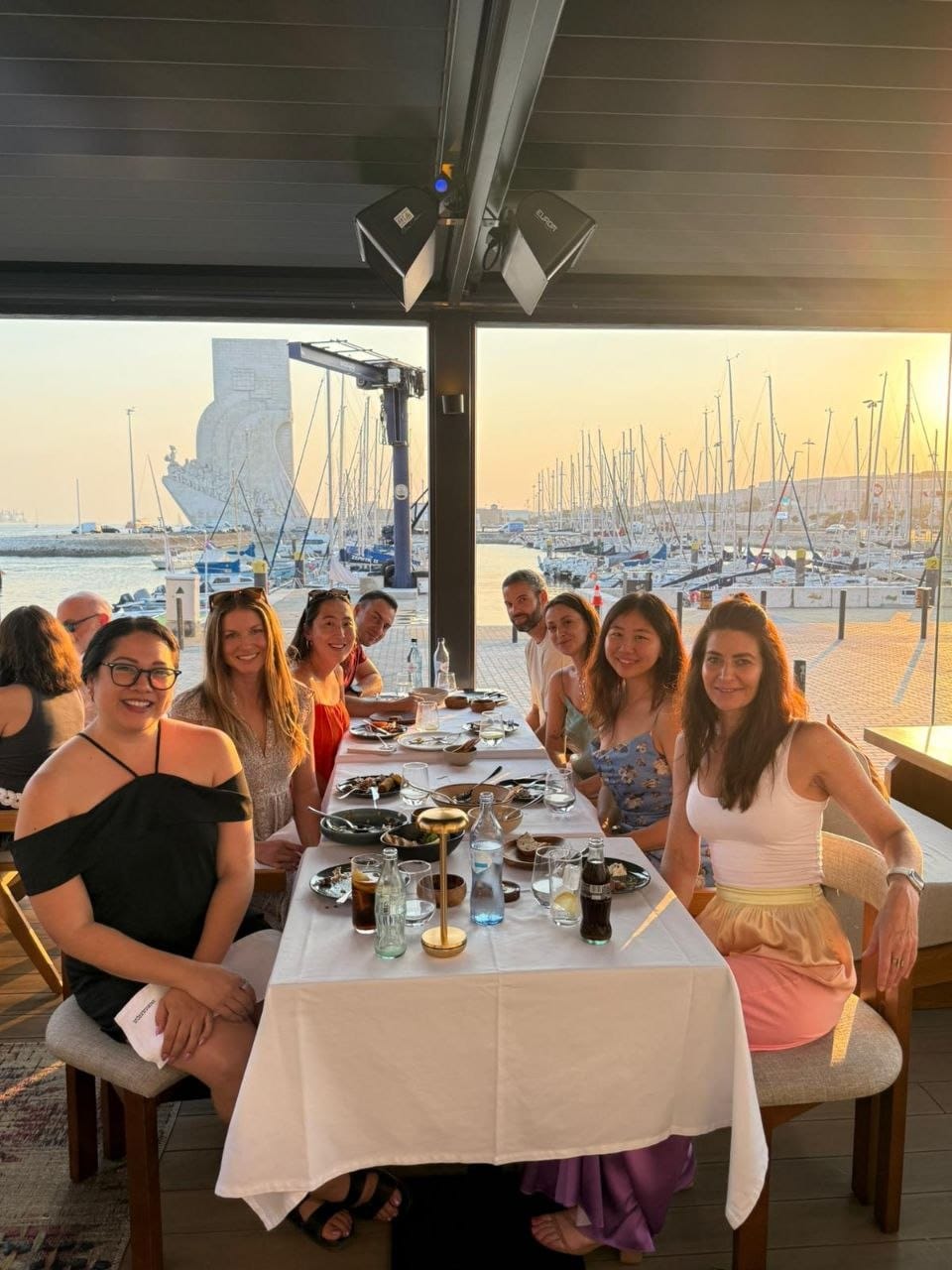
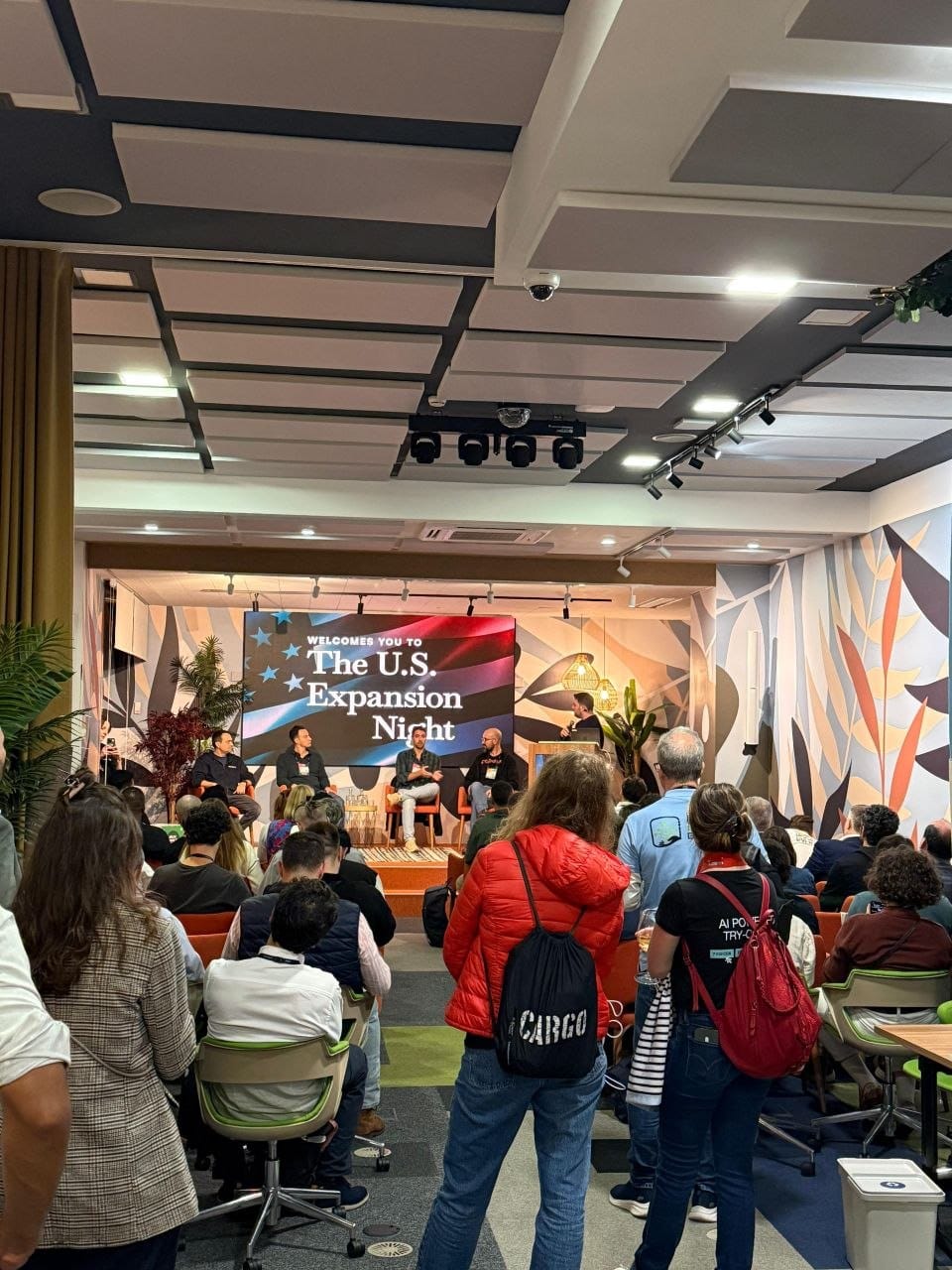
But I'll be straight, if your city has an IRL chapter, you're getting more for the same money. If it doesn't, you need to be the kind of member who shows up digitally and travels occasionally. I am dynamic, responsive and nomadic – not everyone is.
Who shouldn't join
Anyone looking for leads. The solicitation rules are strict and the community smells a pitch instantly, sharper than Reddit. Also anyone who won't commit to the Core cadence, or an approach of giving before asking. Hampton runs on three rules: commitment, confidentiality, candor. If you skip the Hampton meetings when a regular client call comes up, save your money.
My personal resume
I joined during the hardest stretch of my company's life, looking for people I could be honest with, and found them. The advice has been concrete and occasionally company-saving. The bigger thing is quieter: I'm no longer making multi-million-dollar decisions alone.
If you're a founder on the fence, especially an agency founder who assumes these communities are all SaaS people talking about ARR: it's not that, and it's worth the application.
Dennis Vorobyov is the founder and CEO of EltexSoft, a senior-only software engineering studio trusted by startups and Fortune 500 teams since 2015. Hampton details at joinhampton.com.